Plus: Christian Zionism's growing influence; burden of tech updates
| | | | Welcome to the Saturday edition of The Conversation U.S.'s Daily newsletter. As the Academy of Motion Picture Arts and Sciences prepares to honor the year's best films and performances at tomorrow night's Oscars, the mood is less celebratory in the nation's film school classrooms. Holly Willis, who teaches a course on AI and filmmaking at USC's School of Cinematic Arts, details the undercurrent of anxiety among her students, who are grappling in real time with rapid advances in the technology – and wondering what the future holds for them. Each week seems to bring a new development: eerily convincing AI-generated acting performances, classic films being reimagined and remade via machine learning, and the hemorrhaging of jobs as entry-level work is offloaded to AI. But as Willis explains, Hollywood has adapted to technological changes in the past, and she's convinced the industry will weather this one. She describes the many disruptions in filmmaking and why, despite them, she sees a role for people in Hollywood's future: "While the filmmaking tools and job market may be in transition, that core need for storytelling is not going away." This week, we also liked stories about the stigma attached to studying unidentified anomalous phenomena – sometimes referred to as UFOs – in academia; the legal questions around mining the sea for critical minerals; and how the ancient Greeks thought of practical wisdom. Did someone share this newsletter with you? You can sign up for our daily or weekly emails here. | 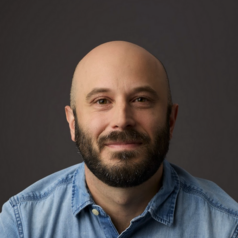 | Nick Lehr Senior Arts + Culture Editor | |  Artificial intelligence's relationship to filmmaking is rapidly evolving, with each week bringing new – often startling – developments. Nick Lehr/The Conversation Holly Willis, University of Southern California AI tools can now generate movie scenes, resurrect lost footage and replace entry-level jobs – forcing Hollywood to rethink creativity, labor and authorship. |  Smoke and flames rise at the site of airstrikes on an oil depot in Tehran on March 7, 2026. Sasan/Middle East Images/AFP via Getty Images Shalom Goldman, Middlebury College For some Americans, biblical prophecies about the end-times serve as a guide to conflicts in the Middle East today. |  A famous UAP video shows an unexplained object as it soars high along the clouds, traveling against the wind. Department of Defense via AP Darrell Evans, Purdue University Surveys have found that researchers studying UAPs can face pushback from mentors and colleagues, even from people who think it's an important line of research. | | |  Coalter G Lathrop, Duke University There's a growing interest in mining the ocean seabed for minerals essential to technology. But whose minerals are they? A Law of the Sea scholar explains. | |  Debaleena Chattopadhyay, University of Illinois Chicago As devices get smarter, families and communities bear a heavier burden of technology caregiving for older adults. |  Jeanette Tran, Drake University The Oscar-nominated film about Shakespeare's son explores how men and women mourn differently – and how 'Hamlet' may have transformed a father's private sorrow into enduring art. | |  Dan McGrath, Colorado State University Scientists mapped the evolution of 140 glacial lakes in Alaska and found a way to tell how much larger and destructive they can get as their glaciers melt. | | | | | The Conversation News Quiz 🧠 | -
Fritz Holznagel, The Conversation Here's the first question of this week's edition: The wartime closure of the Strait of Hormuz has sent fuel prices soaring. A lengthy closure of the strait could also create global shortages of what unexpected item? - A. Lipstick
- B. Bananas
- C. Ladders
- D. Silkworms
Test your knowledge | | |
|---|
More of The ConversationLike this newsletter? You might be interested in our other emails: Follow us on social media: Tell your friends about us! Forward this email to them so they can sample our journalism. About The ConversationWe're a nonprofit news organization dedicated to bringing you facts and trustworthy analysis to help you make sense of our complex world. We can give away our articles thanks to the help of foundations, universities and readers like you.
|
| | | | | | | | | | | | | | | |


