Plus: Honey bees aren't causing native bee declines
|
|
|
Top headlines
Lead story I live in Colorado, where psilocybin – widely known as magic mushrooms – is easy to come by. Teens access it through illicit means from peers and other murky “sources.” Edible versions show up in chocolate bars wrapped in silver and gold foil with evocative names at smoke shops. You arrive late and stressed out to a friend’s house for an event, and they offer you a “microdose” of psilocybin. To say psilocybin is everywhere and vastly underregulated is an understatement – it’s a serious problem. So when I received a pitch on how the popularity of and access to psilocybin is far outpacing the science and regulations behind it, I jumped at the chance to bring the story to readers. Hollis Karoly and Kent Hutchison, psychiatry researchers from the University of Colorado Anschutz Medical Campus, have studied the same trend with cannabis for more than a decade and are working to help fill in fundamental gaps in understanding of the benefits – and many risks – behind psilocybin use. “In a largely unregulated market, and with few clear guidelines on safe use, consumers are left to simply figure it out on their own,” they write. Also: Today is Local News Day. At The Conversation, we are working with local newsrooms across the country to strengthen local journalism. Check out our coverage here. [ Miss us on Sundays? Get a selection of our best and most popular stories (or try our other weekly emails). ] |
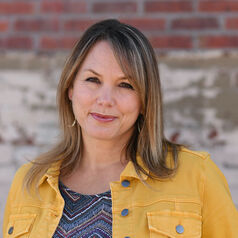 |
Amanda Mascarelli Senior Health and Medicine Editor |
|

Psilocybin mushrooms contain numerous chemical compounds that researchers have not yet studied. Smitt/iStock via Getty Images Plus
Hollis Karoly, University of Colorado Anschutz Medical Campus; Kent Hutchison, University of Colorado Anschutz Medical Campus Psilocybin falls into a regulatory gray zone, with strict limitations around how it can be studied. As a result, very little is known about its health risks, despite its surging popularity. |
Environment + Energy |
Christina Grozinger, Penn State; Andony Melathopoulos, Oregon State University; Clare Rittschof, University of Kentucky; Harland Patch, Penn State; Jay Evans, Agricultural Research Service, USDA The accusations you might have heard about nonnative honey bees aren’t backed up by evidence. In fact, there are plenty of ways bees make the world a better place. |
|
Science + Technology |
Stephen D. Turner, University of Virginia Researchers have found that even people with limited experience in biology can use AI to help them create a dangerous pathogen. |
|
International |
Mireille Rebeiz, Dickinson College As before, however, any such move into the country would be fraught with the same risks that have bedeviled past Israeli invasions of Lebanon. Rui Du, Oklahoma State University In 2012, the Chinese Communist Party introduced new rules on officials’ spending – and the local restaurant trade suffered. |
|
Ethics + Religion |
Ross Channing Reed, Missouri University of Science and Technology It may seem like a paradox, but it takes good friends for someone to really understand themselves – and grow in virtue, as Aristotle argued. Mathew Schmalz, College of the Holy Cross Africa represents the fastest-growing part of the Catholic Church. The pope’s 2026 journey will stop in Cameroon, Equatorial Guinea, Algeria and Angola. |
|
Politics + Society |
Stephanie A. (Sam) Martin, Boise State University For years, Donald Trump’s rhetoric has relied on insult, ridicule, threat and contempt. But the scale of violence in his words during the first week of April 2026 was new – and had a purpose. |
|
Education |
Justin Heinze, University of Michigan; Brian Jacob, University of Michigan; Elyse Thulin, University of Michigan School of Public Health A new law in Michigan requires school districts to make some choices about how to restrict cellphones. Ryan Creps, University at Buffalo In 1976, a small Christian college refused to comply with Title IX. The ensuing legal back-and-forth still matters today as the Trump administration places pressure on universities. Jerrid Kruse, Drake University Standards-based grading provides a more transparent assessment of the extent the intended learning is happening in the classroom. |
|
|
|
Video 📽️ |
-
More of The Conversation
Like this newsletter? You might be interested in our other emails:
Follow us on social media:
Tell your friends about us!
Forward this email to them so they can sample our journalism.
About The ConversationWe're a nonprofit news organization dedicated to bringing you facts and trustworthy analysis to help you make sense of our complex world. We can give away our articles thanks to the help of foundations, universities and readers like you. |
|
| |
| |
| |
| |
|
|
|
|
|
|


