Plus: Green card proposal would cause major disruptions to families
|
|
|
Top headlines
Lead story The doctor-patient relationship can be tricky, if not downright awkward – especially in the face of uncertainty. As patients, we rely on our doctors to diagnose our ills and prescribe a path to healing. But what can we do if something about the doctor’s plan doesn’t feel right? And if we ask for a second opinion, will the doctor be angry or offended? The concept of the second opinion didn’t emerge until the 1970s, writes Danielle Friedman, an assistant professor of surgery at Quinnipiac University, but its introduction has transformed care for patients, ultimately making them more confident in the treatments they receive. In a piece that’s both philosophical and practical, Friedman maps out the history of the second opinion and offers some concrete suggestions for thinking through whether and how to seek one. “Hopefully, knowing how empowering second opinions can be both for patients and clinicians can help you feel less guilty or awkward asking for one,” she writes. [ Miss us on Sundays? Get a selection of our best and most popular stories (or try our other weekly emails). ] |
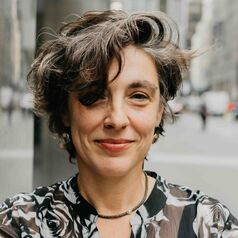 |
Alla Katsnelson Associate Health Editor |
|

Getting a second opinion has become routine in medicine – and it often boosts patients’ confidence in their care. Jacob Wackerhausen/iStock via Getty Images Plus
Danielle Friedman, Quinnipiac University Seeking a second opinion is a patient’s right. Knowing how empowering another perspective can be may make it less awkward to ask for one. |
Politics + Society |
Irina D. Manta, Hofstra University; Cassandra Burke Robertson, Case Western Reserve University Under a proposed policy – a departure from longtime practice that would cause significant disruption – green card applicants would no longer be able to apply for legal status from inside the US. Phillip M. Carter, Florida International University Does a seashell arrangement in the form of the numerals ‘86 47’ amount to a criminal threat to assassinate President Donald Trump, as prosecutors suggest? |
|
Science + Technology |
Melissa Maffeo, Wake Forest University The human mind is always searching for meaning in ambiguity. Could misinterpretations of the external world create the experience of the supernatural?
💬 Comments open |
|
Environment + Energy |
Tara Hohoff, University of Illinois Urbana-Champaign A bat biologist walks through the steps for persuading a bat to leave your home, and what to do when a whole family decides to roost in your attic. |
|
Education |
Marie-Amelie George, Wake Forest University Title IX’s language is clear that the 1972 law does not cover the admissions decisions private colleges and universities make. |
|
|
|
International |
Patrick Peralta, University of Michigan The Philippines has been engaged in a battle against Maoist insurgents since the late 1960s. Jeremy D. Popkin, University of Kentucky Decades before the United States, France outlawed slavery during the French Revolution – only to see it reimposed by Napoleon within a decade.
💬 Comments open Wolfgang Preiser, Stellenbosch University; Carla Mavian, University of Florida; Cheryl Baxter, Stellenbosch University; Richard Lessells, University of KwaZulu-Natal; Tulio de Oliveira, Stellenbosch University Weak surveillance and climate change could allow deadly hantaviruses to spread unnoticed across African countries, raising the risk of future outbreaks. |
|
|
|
Video 📽️ |
-
More of The Conversation
Like this newsletter? You might be interested in our other emails:
Follow us on social media:
Tell your friends about us!
Forward this email to them so they can sample our journalism.
About The ConversationWe're a nonprofit news organization dedicated to bringing you facts and trustworthy analysis to help you make sense of our complex world. We can give away our articles thanks to the help of foundations, universities and readers like you. |
|
| |
| |
| |
| |
|
|
|
|
|
|


