Plus: 18th-century street food; fighting data centers in PA
|
|
Welcome to the Saturday edition of The Conversation U.S.’s Daily newsletter. Jeff Bezos’ 2013 announcement that Amazon planned to have a drone delivery service sparked a lot of excitement and concern. Will I get delivery on demand? Will drone delivery be more environmentally friendly? Will there be a lot of drones flying around, adding noise and visual clutter? Will the drones’ cameras see me in my backyard? The initial hubbub died down when it became clear there were a lot of technical, logistical and regulatory hurdles to overcome before drone delivery could become widespread. A key challenge is being able to safely operate drones beyond the pilot’s line of sight. If you or I fly a drone, the FAA requires us to keep it in sight at all times, and drone delivery startup companies had to jump through hoops to get exemptions to build and test their services. Now, a new FAA rule, years in the making, that allows drone operation beyond visual line of sight is nearing the finish line. Rochester Institute of Technology engineering professor and drone researcher Agamemnon Crassidis spells out what’s about to change – and describes how some of these drones won’t have any pilot at all. This week we also liked stories about the meaning of World Cup players’ tattoos, the chemical differences between butter and margarine, and ways to prevent your child from becoming a bully. Did somebody forward this email to you? Subscribe to our daily and weekly newsletters here. |
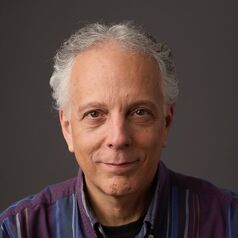 |
Eric Smalley Science + Technology Editor |
|
| |

Companies large and small are gearing up to deliver packages to you via drone. AP Photo/Charlie Riedel
Agamemnon Crassidis, Rochester Institute of Technology Allowing people to fly drones beyond their line of sight could greatly expand commercial applications. |

“Pepper-Pot: A Scene in the Philadelphia Market,” by painter John Lewis Krimmel, 1811. Philadelphia Art Museum: 125th Anniversary Acquisition. Gift of Mr. and Mrs. Edward B. Leisenring, Jr., 2001-196-1
Carolyn Zola, California State University, East Bay Dina escaped from slavery and sold pepper pot stew on the streets of Philadelphia, while her enslaver tried to recapture her. |
| |
 Michael Helbing, Penn State Communities across the state are demanding to know how proposed data centers would affect their electric and water bills, landscapes and quality of life. |
|
 Gustavo Morello, Boston College As millions watch the 2026 FIFA World Cup, players’ tattoos will be on display – offering a glimpse into the inner lives of soccer’s biggest stars. |
 Eileen G'Sell, Washington University in St. Louis Glamour isn’t just for the rich and famous. As the ‘Ball Without Billionaires’ showed, the blue collar can bedazzle. |
|
 Laurent Dubois, University of Virginia For the first time since 1974, the Haitian men’s team has qualified for the World Cup. This is their story. |
 Candice Johnson, Michigan State University In a survey of more than 600 CDC workers, 99% said the Trump administration’s cuts to the agency have made it less able to protect the public’s health. |
|
 Sanggay Tashi, University of Colorado Boulder China’s national government policies on energy and economic development are changing pastoral life on the Tibetan Plateau. |
|
|
|
|
The Conversation News Quiz 🧠 |
Fritz Holznagel, The Conversation Here’s the first question of this week's edition: Commercial use of drones is expected to soar if the Federal Aviation Administration enacts a proposal known as Part 108, which specifically states that pilots can fly drones ...
- A. Heavier than 2 pounds
- B. With speakers playing ads
- C. Beyond their line of sight
- D. Loaded with hot, fresh burritos
Test your knowledge |
|
|
More of The Conversation
Like this newsletter? You might be interested in our other emails:
Follow us on social media:
Tell your friends about us!
Forward this email to them so they can sample our journalism.
About The ConversationWe're a nonprofit news organization dedicated to bringing you facts and trustworthy analysis to help you make sense of our complex world. We can give away our articles thanks to the help of foundations, universities and readers like you. |
|
| |
|
|
|
|
|
|