Plus: How hot can a desert get?
|
|
| |
Top headlines
Lead story
People who develop cancer are living longer than ever before, a testament to medical science. But surviving cancer doesn’t necessarily mean a return to life as it was. Many cancer survivors report physical or cognitive impairments that affect their everyday lives.
Cancer survivors with impairments sometimes struggle with activities like using computers, phones and other digital devices.
Computer scientists Rachel F. Adler and Devorah Kletenik explain that these difficulties often go unacknowledged by healthcare providers, employers and even friends and family. They describe cancer survivors as a hidden population of people with disabilities – and lay out steps that technology developers can take to address the problem.
[ Understand what’s going on in Washington and around the world. Get our Politics Weekly newsletter. ]
|
| |
 |
Eric Smalley Science + Technology Editor |
|
|
| |

Better software interfaces can improve quality of life for cancer survivors. FatCamera/iStock via Getty Images
Rachel F. Adler, University of Illinois Urbana-Champaign; Devorah Kletenik, Brooklyn College Cancer survivors often experience cognitive, visual or physical challenges that hinder software use. Better designs can help. |
Education |
 |
Laura Link, University of North Dakota “No-zero” grading policies are becoming more common in US schools. South Carolina is the first state to ban these policies. |
|
|
Science + Technology |
 |
Shuang-Ye Wu, University of Dayton Death Valley set a record when the temperature reached 134 degrees Fahrenheit. Here’s why deserts can reach such scorching temperatures – and also very cold ones. |
|
 |
Shreya Kapila, Penn State History has shown that when manufacturers skimp on sterile filtration of drugs, the consequences can amount to the loss of hundreds of lives and millions of dollars. |
|
|
Environment + Energy |
 |
Mike Shriberg, University of Michigan An analysis of one major effort shows how to get Democrats and Republicans to agree to spend billions of dollars on a decades-long environmental restoration project. |
|
|
Politics + Society |
 |
Jacques Hymans, USC Dornsife College of Letters, Arts and Sciences; University of Southern California A professor of international relations counted the sitting leaders on over 1,000 of the world’s banknotes and coins; almost every one of them is a king or a queen. |
|
 |
Ken Paulson, Middle Tennessee State University Despite the steady decline in daily newspaper editorials, a longtime editor suggests ways for news organizations to restore the spirit of editorials that can hold public officials accountable. |
|
|
Health + Medicine |
 |
Shweta Kumar, University of Kentucky The price cap would have lowered costs for Enbrel, an immunosuppressant drug made by Amgen. |
|
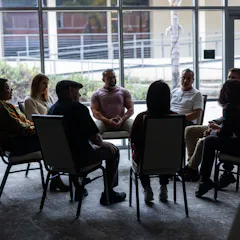 |
Erica Maloney, Chatham University Allegheny County can now order treatment for people with serious mental illness. But what’s driving results – the order itself or the services behind it? |
|
|
Arts + Culture |
 |
Sally Howell, University of Michigan-Dearborn Yemeni coffeehouses have gained culinary prominence in recent years, offering brews of coffee and tea seasoned with cardamom, ginger, cloves and other ingredients. |
|
|
Economy + Business |
 |
Yuhei Inoue, University of Illinois Urbana-Champaign; Alessio Norrito, University of Illinois Urbana-Champaign; Yohan Lee, University of Illinois Urbana-Champaign Studies suggest that, played right, hosting large sporting events can pay lasting noneconomic dividends. But it needs sustained effort. |
|
|
|
|
Today's chart |

Fertilizers carry a hidden cost for soil’s crucial microbes – using less as prices rise might pay off for farms in unexpected ways
|
|
|
| |
| |
|
|
|
|