When newborns go home to bad air

Plus: How 2-year-olds think ‌ ‌ ‌ ‌ ‌ ‌ ‌ ‌ ‌ ‌ ‌ ‌ ‌ ‌ ‌ ‌ ‌ ‌ ‌ ‌ ‌ ‌ ‌ ‌ ‌ ‌ ‌ ‌ ‌ ‌ ‌ ‌ ‌ ‌ ‌ ‌ ‌ ‌ ‌ ‌ ‌ ‌ ‌ ‌ ‌ ‌ ‌ ‌ ‌ ‌ ‌ ‌ ‌ ‌ ‌ ‌ ‌ ‌ ‌ ‌ ‌ ‌ ‌ ‌ ‌ ‌ ‌ ‌ ‌ ‌ ‌ ‌ ‌ ‌ ‌ ‌ ‌ ‌ ‌ ‌ ‌ ‌ ‌ ‌ ‌ ‌ ‌ ‌ ‌ ‌ ‌ ‌ ‌ ‌ ‌ ‌ ‌ ‌ ‌ ‌ ‌ ‌ ‌ ‌ ‌ ‌ ‌ ‌ ‌ ‌ ‌ ‌ ‌ ‌ ‌ ‌ ‌ ‌ ‌ ‌ ‌ ‌ ‌ ‌ ‌ ‌ ‌ ‌ ‌ ‌ ‌ ‌ ‌ ‌ ‌ ‌ ‌ ‌ ‌ ‌ ‌ ‌ ‌ ‌ ‌ ‌ ‌ ‌ ‌ ‌ ‌ ‌ ‌ ‌ ‌ ‌ ‌ ‌ ‌ ‌ ‌ ‌ ‌ ‌ ‌ ‌ ‌ ‌ ‌ ‌ ‌ ‌ ‌ ‌ ‌ ‌ ‌ ‌ ‌ ‌ ‌ ‌ ‌ ‌ ‌ ‌ ‌ ‌ ‌ ‌ ‌ ‌ ‌ ‌ ‌ ‌ ‌ ‌ ‌ ‌ ‌ ‌ ‌ ‌ ‌ ‌ ‌ ‌ ‌ ‌ ‌ ‌ ‌ ‌ ‌ ‌ ‌ ‌ ‌ ‌ ‌ ‌ ‌ ‌ ‌ ‌ ‌ ‌ ‌ ‌ ‌ ‌ ‌ ‌ ‌ ‌ ‌ ‌ ‌ ‌ ‌ ‌ ‌ ‌ ‌ ‌ ‌ ‌ ‌ ‌

US Edition - Today's top story: I'm a Philly neonatologist, and every time I discharge a baby from the NICU, I worry about the air they’ll breathe at home View in browser

21 July 2026

US Edition

The Conversation
 

Top headlines

Lead story

Like residents across many parts of the Midwest and Northeast, Philadelphians breathed in a lot of smoke last week from the wildfires burning in Canada. I watched the city’s air quality creep from code orange to red and then purple, and wondered how it might affect my 9-year-old’s growing lungs or my niece’s asthma.

But there are few groups more vulnerable to bad air than premature babies.

Dr. Tim Nelin works in neonatal intensive care units in Philadelphia, and much of his research focuses on infants with bronchopulmonary dysplasia, or BPD – a chronic lung disease that affects many babies who are born very prematurely.

In a study of nearly 400 preterm babies, Nelin found that for infants with the mildest and most common form of BPD, even small increases in air pollution were linked to substantially higher odds of developing a respiratory illness severe enough to require emergency care. Babies who breathed even slightly worse air during their first year of life also had a higher risk of developing asthma by age 5.

“In other words,” Nelin writes, “what a baby breathes in the months after going home may be associated with respiratory health years later.”

[ Sign up for our weekly Global Economy & Business newsletter, with expert perspectives from around the world. ]

 

Kate Kilpatrick

Pennsylvania Editor

 
The same polluted air that may have contributed to a baby’s preterm birth is also a risk when the vulnerable baby goes home. Nenov/Moment Collection via Getty Images

I’m a Philly neonatologist, and every time I discharge a baby from the NICU, I worry about the air they’ll breathe at home

Tim Nelin, University of Pennsylvania

Even small increases in air pollution can increase the risk of serious respiratory illnesses for preterm infants and their risk of having asthma as they get older.

Science + Technology

More testosterone won’t make a better soldier or a tougher man – aggression and strength drive T levels, not the other way around

Adam Stanaland, University of Richmond

Defense Secretary Pete Hegseth is requiring service members to screen for low testosterone levels. Ironically, the military lifestyle itself is more likely to lower T levels.

Legally or not, the US government is controlling global access to the world’s most powerful AI

João Marinotti, Indiana University

A Commerce Department order requiring Anthropic to wall off its most advanced AI models from foreign nationals could be the government’s attempt to keep the best AI technology for itself.

Education

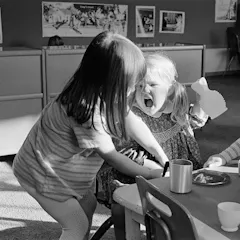
Not so terrible, after all – 2-year-olds just want to be independent

Lindsay Barnhart, University of Wisconsin-Stout Polytechnic

Caring for a toddler can be challenging and requires patience. Understanding the psychology behind a toddler’s actions can help weather some of the rockier days.

Politics + Society

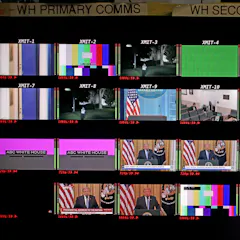
Declassified intelligence is not the same as proof

Brian O'Neill, Georgia Institute of Technology

An international affairs professor with nearly 30 years of experience in the US intelligence community – including at the CIA and NSA – explains how to evaluate the newly released election documents

International

Amid grinding war, protesting Ukrainians still want their voices and values heard at home

Sarah Wilson Sokhey, University of Colorado Boulder; Gerard Toal, Virginia Tech; John O’Loughlin, University of Colorado Boulder

The defense minister’s firing was the catalyst, but polling suggests Ukrainians are rallying around a broader fight for freedoms and against corruption.

Environment + Energy

5 lessons from 20 years of climate surveys: Political party matters, but it doesn’t explain everything

Mayank Kejriwal, University of Southern California; Yidan Sun, University of Southern California

Why would a young Republican back solar but reject a carbon tax? Twenty years of survey data shows climate opinion is more complex than party labels suggest.

Economy + Business

Why employers still place a premium on people skills, not AI, when they make hiring decisions

Murugan Anandarajan, Drexel University; Cuneyt Gozu, Drexel University

In a survey of more than 600 employers, one theme kept coming up: Despite AI, soft skills and the ability to learn still set successful job candidates apart.

Health + Medicine

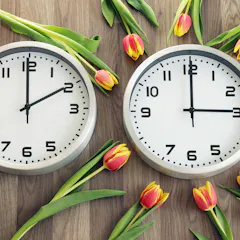
Time for a clock change? Congress considers daylight saving time … again

Beth Ann Malow, Vanderbilt University

A bill now being considered in the Senate would make daylight saving time permanent, but research suggests moving to standard time would bring more benefits.

Podcast 🎙️

How was the first language formed?

Eloise Stevens, The Conversation; Gemma Ware, The Conversation

Listen to the The Conversation’s Curious Kids podcast to hear anthropologist April Nowell explain the origins of language.

Trending on site

Today's chart

A bar graph showing percentage change in prices from June 2025 to June 2026 of different kinds of produce. The largest percentage change is in lettuce, which increased by 32.1%.