Welcome to the Saturday edition of The Conversation U.S.’s Daily newsletter.
When I was growing up, I spent part of every summer in a small, rural town among the farm fields of southwest Missouri. It had a wonderful little downtown that included a pharmacy with an old-fashioned soda fountain. The grocery store had a deli, where Bill Hackney sliced the best ham sandwich meat.
But over the years, stores there struggled and closed. Today, if residents want milk, Casey’s convenience store and a Dollar General are the only close options. The nearest grocery is about 20 miles away. The pharmacist moved to a larger town years ago.
It hurts to see communities lose key parts of their local economies, yet it’s been happening in many farm towns across rural America.
When the farmer-poet Wendell Berry, who wrote eloquently about the changes in rural America, died a few months ago, I reached out to Leland Glenna, a rural sociologist at Penn State, to talk about what has been driving those shifts.
Glenna and colleagues David Peters, Mary Hendrickson and Keiko Tanaka wrote a smart analysis this week explaining the effects that decades of farm consolidation have had in hollowing out many small towns. As they explain, the farm economy and the rural economy no longer rise and fall together. Their insights are something that anyone who assumes farm subsidies are supporting small-town America amid the effects of tariffs and rising costs needs to read.
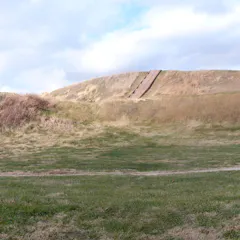
This week we also liked stories on what the first animal on Earth was, the blue wave of physicians in this upcoming Congress, and lessons about climate change from ancient Cahokia in the modern-day St. Louis area.